If you've ever pushed the lever on a whipped cream dispenser and enjoyed smooth optimals grow in secs, you have actually seen nitrous oxide at the office. The little steel cartridges behind that magic, typically called cream chargers, are easy tools with exact engineering and a bit of food scientific research. They're trustworthy, cheap by professional kitchen area criteria, and remarkably versatile once you comprehend just how they operate. This guide cuts through guesswork, clarifies the physics and the craft, and shares hard-earned ideas from genuine kitchen area workflows.

What a Lotion Battery charger Really Is
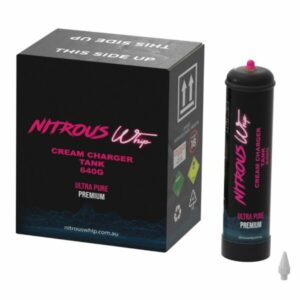
A cream charger looks simple: a secured, single-use steel light bulb including pressed nitrous oxide, typically 8 grams for common designs. Commercial kitchen areas likewise make use of larger cylinders that feed dispensers by means of a regulator tube, however the principle remains the very same. Whether you see them classified as N2O cream chargers, whipped cream chargers, or Nitrous Oxide cream chargers, the material is food grade nitrous oxide gas. The steel covering has a thin dimple at the suggestion, designed to be pierced by the dispenser's pin when you screw the battery charger owner right into the head. No relocating components live inside the cartridge. All the accuracy lives in the dispenser and your technique.
Nitrous oxide is inert in this context, which makes it valuable in food service. It dissolves readily in fats and water, after that increases quickly when pressure decreases. That mix is tailor-made for whipped cream, foams, and fast mixture. While the gadget is straightforward, the means it engages with dairy products, syrups, and sauces depends on temperature, fat percent, and the equilibrium of stabilizers.
The Core Physics in Plain Terms
Inside the battery charger, N2O rests under high pressure, north of 50 bar at space temperature level. Your dispenser is the stress vessel that receives it. When you screw on a charger and pierce the seal, gas floodings right into the cooled lotion base. Two things take place at once:
First, dissolution. Nitrous oxide dissolves into fluid much like co2 does in soft drink, but it favors fat even more. That's a present when you're collaborating with whipping cream, mascarpone, crème fraîche, or coconut lotion with a solid fat layer. The even more fat, the more gas you can dissolve without overwatering the foam.
Second, growth. When you press the lever, pressure drops at the nozzle. Liquified N2O runs away from option and broadens, pressing cream via a small orifice. That expansion creates numerous compressed bubbles that extend and tense the protein-fat network. The outcome is a steady foam that holds for mins or hours, depending on dish and handling.
The lotion doesn't just puff up. Proteins and fat blobs rearrange as they're sheared via the nozzle, building structure that catches the gas. If the base is also slim or too cozy, bubbles coalesce and pop, and you get a loose spray or weeping liquid. If the base is cool and well balanced, you get specified optimals that stand.
Why N2O and Not CO2?
You can technically bill a dispenser with CO2, however you 'd likely do not like the result. Carbon dioxide includes carbonic acid and an irritable sourness. That may be welcome in certain carbonated fruits or batters, yet it hinders milk taste and destabilizes some solutions. N2O brings neutral taste, greater solubility in fat, and extra flexible behavior in milk foams. For classic whipped cream, it isn't a close contest.
There's likewise a security note that typically obtains disregarded by home tinkerers. CO2 cartridges look comparable to whipped cream chargers. If you blend them up, the flavor and structure suffer, and you can worry your recipe in methods you didn't plan. Maintain your supplies clearly separated.
The Composition of a Dispenser and Why It Matters
A dispenser has 4 vital components: the head with a valve and piercing pin, the container body, a gasket system, and the nozzle setting up. The quality of each component adjustments your result greater than the majority of novices realize.
The head governs gas flow and safety. Inexpensive heads establish sticky shutoffs after a couple of months, particularly if you don't rinse out dairy products deposits. Expert heads have detachable valves and silicone gaskets that survive citrus and alcohol far better than natural rubber.
The container need to be high-strength light weight aluminum or stainless-steel. Light weight aluminum runs lighter and chills quicker. Stainless is harder and even more forgiving with dish makers, however it warms up slowly, so you require added cooling time. Capability issues too. A 0.5 litre dispenser is the workhorse for most pastry stations, and it generally takes one common charger for dairy products foams. One liter bodies typically require two chargers to attain the exact same structure in the bigger volume.
https://knoxrgte229.almoheet-travel.com/how-do-n2o-cream-chargers-work-a-comprehensive-breakdownNozzles form the foam. The straight idea gives a bow, the celebrity idea returns ridged swirls. The distinction isn't cosmetic just. A star tip includes shear that can somewhat stiffen the foam. When a sauce is borderline too loose, switching ideas in some cases saves the plating.
The Role of Temperature
Every successful foam starts with temperature level self-control. Cool the dispenser body and the cream base prior to billing. Go for 2 to 5 C. Colder bases dissolve gas extra efficiently and remain steady much longer. In a rush, I've packed dispensers in ice with a pinch of salt and a sprinkle of water, which goes down temperature swiftly through transmission. A room-temperature base will approve gas, but it will weep and collapse under warmth from hands and plate lamps.
Temperature additionally manages mouthfeel. Stiffer, cooler foams stand high however can check out as heavy. Slightly warmer foams really feel softer and more aerated. If you serve cold treats, cooling to the low end of the array functions. For a cozy apple tart, a slightly much less icy lotion gives a better thaw, supplied you support it correctly.
Fat, Healthy protein, and Stabilizers
Heavy lotion relaxes 35 to 40 percent fat depending on nation. Higher fat ways richer flavor, however the protein network holds the structure together. When you whip by hand, healthy proteins denature via mechanical anxiety. In a dispenser, the gas expansion and nozzle shear do the heavy training, so you require enough protein in the base to create a tough network.
That's why ultralight "half and half" or solitary lotion gives poor returns. You can rip off with stabilizers. A percentage of sugar aids by binding water and enhancing viscosity. Confectioners' sugar includes cornstarch, which includes a touch much more body than granulated sugar. Gelatin or agar adds lasting stability for buffets. You do not require much, typically in the 0.2 to 0.6 percent variety by weight, depending upon the liquid. Xanthan gum tissue at 0.05 to 0.2 percent prevents syneresis in fruit foams. Way too much, and you obtain slime.
Dairy-free bases need extra idea. Coconut lotion with a minimum of 20 percent fat foams well if fully chilled. Almond or oat bases require emulsifiers and stabilizers to make up for lower fat and healthy protein. Soy lotions developed for whipping normally do ideal in dispensers out of the plant-based options.
A Straightforward First Setup
Here's a reliable starting factor for a 0.5 liter dispenser: 400 ml heavy cream, 30 to 40 grams of sugar, a pinch of salt, and a sprinkle of vanilla or a spoon of paste. Cool every little thing. Strain via a fine mesh to catch any type of solids that can block the nozzle. Fee with one 8 gram lotion battery charger, drink the dispenser securely 8 to 10 times, after that relax it on its side in the refrigerator for 10 to 15 minutes. Give a test rosette. If it sputters or looks slim, provide two mild trembles and try again.
Most novices either under-shake or tremble so hard they produce networks that burp liquid. It's not a paint can. Aim for deliberate, also strokes. If you need a stiffer foam and the base is cold, a second battery charger can aid, however do not reflexively include gas. Oftentimes, an additional few mins of rest does greater than added pressure.
Safety That Should Be Second Nature
Treat a billed dispenser like a little pressure vessel. Maintain the nozzle aimed far from faces. When you unscrew the charger holder after piercing, a brief hiss is normal as caught gas vents from the holder, not the bottle. Constantly ease stress before opening the dispenser to refill. Hold it upright, press the bar to vent totally, then turn the head off.
Never tumble a pressurized dispenser into a dishwasher. Warmth broadens gas, increases internal pressure, and deteriorates gaskets. Laundry by hand with warm water and light detergent. Get rid of the nozzle and shutoff components and let them dry individually. In specialist kitchen areas, the moments I have actually seen dispensers fall short trace back to disregard, not to normal use.
Use only food quality N2O cream chargers. Avoid low-cost cartridges with inconsistent fills up or oily residues. Trustworthy brand names batch test gas purity and leak rate. You can spot troublesome lots by an unusual odor or noticeable residue on the puncturing end. If you run into either, stop using that box.
Environmental Considerations
Single-use steel battery chargers add up. A busy pastry station can burn through lots a day. If your community recycles small steel products, gather invested battery chargers in a committed container and process them with scrap steel. Piercing made use of chargers isn't needed if they're totally vacant, yet some facilities require it. Refillable N2O cyndrical tubes with regulators reduced waste and cost with time, especially in high-volume procedures. They additionally offer better control over pressure. The drawback is ahead of time cost and the need to train team on appropriate handling.
Troubleshooting Like a Pro
Most dispenser concerns map to four roots: temperature, solids, stress, and formulation.
If the foam weeps liquid on home plate, your base is either too warm or under-stabilized. Cool longer or tighten the formula with a touch much more sugar or a pinch of xanthan. If it spirts and afterwards dribbles, you possibly obstructed the valve with enthusiasm, delicious chocolate flecks, or seeds. Stress much more meticulously, consisting of the vanilla paste. If you get thin, airy foam with huge bubbles, your fat portion likely sits as well reduced, or you have actually overcharged. Air vent, readjust the base, and charge once.
A consistent metal note recommends a poor-quality battery charger or filthy shutoff components. Clean and dry thoroughly, switch battery charger brands, and examine your gaskets. If the dispenser all of a sudden loses pressure, examine the head gasket for nicks. Extra gasket sets expense little and conserve service.
Beyond Lotion: What Else Functions Well
Once you grasp whipped cream, the dispenser comes to be a basic frothing tool. Cold foams based upon yogurt, buttermilk, or crème fraîche add flavor to full-flavored plates. Light carrot or beetroot foams lighten up roasted meats. Cheese mousses utilizing mascarpone or goat cheese break dullness in tasting menus. For non-dairy desserts, coconut enthusiasm fruit foam is a group pleaser if you stabilize the acidic fruit with jelly or agar.
Rapid mixture is an additional application. N2O dissolves right into alcohol and water, pushing flavor particles from natural herbs and seasonings right into the fluid. A simple example: muddle peeled citrus passion and split vanilla bean with a 40 percent ABV spirit. Fill the dispenser to fifty percent, charge once, wait one to 2 minutes, then vent gradually and strain. You get a tidy mixture in mins as opposed to days. The airing vent step is where lots of beginners thrill. Air vent as well quick and the liquid can foam over strongly. Angle the dispenser and pull the lever in short pulses to bleed pressure.
For batters, nitrous includes lift. Tempura batter billed lightly can fry into a remarkably crisp shell. Keep the batter cool and make use of reduced protein flour. Fee when, rest briefly, after that dip and fry instantly. The appearance sits between traditional tempura and beer batter, with a delicate crisis and fewer oil-logged pockets.
How Numerous Chargers Do You Actually Need?
The usual guideline: one 8 gram battery charger per 0.5 liter of dairy base, two for a 1 litre. That's a starting factor. With really abundant lotions or with stabilizers that increase viscosity, one battery charger typically suffices for a liter if you prioritize a softer foam. For light fruit foams or sauces without much fat, expect to make use of a second battery charger to attain good body. Chilling and appropriate solution can cut battery charger usage by 20 to 30 percent compared with a hurried workflow.
Cost issues. In numerous regions, basic whipped cream chargers run roughly 0.30 to 0.70 per cartridge in bulk. If you serve 60 sections from a 0.5 litre set, gas expense per portion is a portion of a cent. Waste sneaks in when staff repeatedly include a second battery charger without testing the foam first. Train the behavior of a test pull.

Common Misconceptions That Slow Learners Down
The first myth is that more gas equals much better foam. Past a point, added gas only creates instability and crude bubbles. The framework originates from the base, not stress alone.
Second, some case that shaking boldy is vital. That's exactly how you produce dense passages of gas that channel unevenly. Controlled, constant drinking works better.
Third, individuals presume all dispensers coincide. The machining of the shutoff and the fit of the gaskets transform whatever. I have actually seen two dispensers, same brand, different production years, return visibly various performance. Learn your details tool. Keep notes concerning how many trembles, for how long you rested it, and which nozzle you made use of. That log defeats guesswork on a Saturday evening when ticket times pile up.
Working Tidy and Fast on the Line
When service begins, a dispenser must be filled, chilled, and classified with the mix and time. Keep back-ups rotating so you don't charge warm bases in a rush. Assign responsibility for cleaning and gasket checks to a single person per change. A 30-second rinse isn't enough. Take apart the shutoff. Cream movies build up indistinctly, then unexpectedly clog.
For layered treats, uniformity is king. Team must practice regular pressure and range when piping. If the initial plate looks different from the fourth, your foam is either also warm or also tight. Turn the dispenser back right into refrigeration between usages, not in a warm pass shelf. I have actually seen foams collapse during lengthy solutions due to the fact that someone put the dispenser near heat lights for convenience.
Edge Situations and When to Avoid the Dispenser
Not whatever benefits from nitrous. Heavy delicious chocolate ganaches with low water content do not foam well. You get plug flow and sputter. Slim herbal oils separate and shoot. Pure fruit juices without stabilizers blow gigantic bubbles that stand out and leave pools. Eggs can work in siphon sponge cakes, yet you need a cautious dish and warm evidence siphon-safe containers established for baking. If a base breaks conveniently or needs warmth to set, examine whether the dispenser is the best tool.
Alcohol content past roughly 20 percent by volume can destabilize foams. You can still create a mousse-like texture by mixing alcohol with a milk or syrup base, yet right spirits won't hold form. Acidic liquids like lemon or interest fruit need a stabilizer and often a mild sweetener to stabilize brittleness. That brittle quality turns up as breakable bubbles that pop at the tiniest touch.
A Note on Sourcing and Quality Control
Buy chargers from trusted vendors. If you open up a box and the cartridges reveal rust, dents, or oily surface areas, send them back. Consistency in fill quantity matters. Underfilled chargers create confusion. Your group compensates by drinking harder, after that criticizes the recipe. Maintain a tiny digital range helpful and consider a few random chargers from each great deal. A typical 8 gram battery charger usually considers between 28 to 32 grams complete with the steel shell, depending upon brand. You're seeking constant totals within that brand name's range more than the precise number. Outliers indicate poor quality control.
For dispensers, the best brand names provide spare gaskets, clear exploded views for cleaning, and available client assistance. If substitute components are difficult to source, you're acquiring a short-term gadget.
Responsible Usage and Lawful Considerations
Nitrous oxide has non-culinary abuse potential. Many territories manage retail sales of whipped cream chargers or call for age confirmation. If you operate a company, store chargers out of public reach and paper supply. Train team to utilize them strictly for culinary tasks. Misuse can result in severe health and wellness threats and lawful exposure.
Two Practical Routines Well worth Stealing
- Quick whipped lotion, steady for service: Whipping cream 38 percent, 8 percent sugar by weight, 0.1 percent vanilla paste, pinch of salt. Chill overnight. Pressure. Cost as soon as for 0.5 litre, shake 8 times, rest 10 minutes. For buffet holding previous 2 hours, blossom gelatin at 0.3 percent, merge a tiny section of lotion, blend back right into the cool base, then charge. Bright fruit foam with tidy lines: 60 percent stretched fruit puree, 35 percent water or light basic syrup, 5 percent sugar, pinch of citric acid if puree is level, 0.15 percent xanthan. Mix till glossy, stress. Chill completely. Charge as soon as for 0.5 liter, shake 6 times, remainder 20 mins. If it weeps, include a little bump of xanthan and reblend.
Building Your Own Playbook
Once you realize just how nitrous interacts with fat, protein, and temperature level, you can make bases with intent. Start with a clear objective. If you desire looming peaks on a pavlova, focus on fat and light stabilization. If you want a whisper-light darken ceviche, think slim, greater stablizing, tiny amounts of xanthan or jelly, and a cooler service temperature. Maintain your food selection context in mind. A foam that hangs on a cold plate might break down over a warm sharp crust.
The more you document small modifications, the much faster you assemble on your house solutions. Track the number of trembles, rest times, and charger count. Keep in mind which brand name of cream and charger you utilized. Record any adjustments in ambient cooking area temperature level. Over a month, those notes develop into consistency.
The Payoff
Cream chargers provide rate and repeatability. They turn a labor task that made use of to require bowls, whisks, and continuous interest right into a tidy, on-demand procedure. In the heat of service, they cut waste since you give just what you plate. With a dispenser, you can develop appearance that hand-whipping will not match, and venture right into foams and mixtures that would certainly or else take hours or days.
Approach N2O cream chargers as tools with clear staminas and limits. Respect the physics, regard the safety and security, and lean on careful solution instead of more gas. When you do, you obtain the kind of whipped cream that maintains its shape without sampling stiff, the fruit foam that lands like a perfume, and the precise garnish that makes a meal appearance ended up as opposed to picky. That's the distinction between uniqueness and craft.